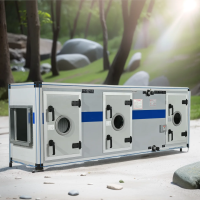
In the pursuit of energy efficiency and sustainable building practices, thermal mass has emerged as a crucial element in modern HVAC design.
In the pursuit of energy efficiency and sustainable building practices, thermal mass has emerged as a crucial element in modern
HVAC design. The concept of thermal mass—where materials like concrete, brick, or stone absorb, store, and release heat—offers significant advantages for reducing energy consumption in buildings. By integrating thermal mass into
HVAC systems, architects and engineers are finding innovative ways to create more comfortable and cost-effective indoor environments.
Thermal mass works by moderating indoor temperature fluctuations. During the day, these materials absorb heat from sunlight or indoor activities, preventing the space from becoming too warm. As the temperature drops at night, the stored heat is gradually released, keeping the indoor environment warm and reducing the need for additional heating. This natural process of heat absorption and release can significantly lower the reliance on mechanical heating and cooling systems, leading to substantial energy savings.
One of the most significant benefits of incorporating thermal mass into HVAC design is its ability to enhance energy efficiency. In climates with large temperature variations between day and night, buildings with high thermal mass can maintain a more stable indoor temperature with minimal energy input. This stability not only reduces energy bills but also minimizes the strain on HVAC equipment, extending its lifespan and reducing maintenance costs.
In addition to energy savings, thermal mass contributes to improved indoor comfort. Buildings with thermal mass experience fewer temperature swings, creating a more consistent and comfortable environment for occupants. Whether it’s a hot summer day or a cold winter night, spaces designed with thermal mass maintain a more balanced temperature, reducing the need for constant HVAC adjustments and creating a more pleasant living or working space.
The environmental benefits of using thermal mass in HVAC design are also noteworthy. By reducing the need for energy-intensive heating and cooling, thermal mass helps lower a building’s carbon footprint. This makes it an attractive option for those looking to meet stringent energy codes and sustainability standards, such as LEED certification. As the demand for green buildings grows, the integration of thermal mass into HVAC design is becoming increasingly popular among architects and builders.
Moreover, thermal mass is not limited to new construction projects. Existing buildings can also benefit from thermal mass through retrofitting. By adding materials with high thermal mass, such as interior brick walls or concrete floors, older buildings can improve their energy efficiency without the need for a complete overhaul of the HVAC system. This makes thermal mass a versatile solution for enhancing the performance of both new and existing structures.

In the broader context of sustainable building design, thermal mass represents a key strategy for reducing energy consumption and enhancing occupant comfort. Its ability to store and release heat naturally aligns with the goals of energy efficiency and sustainability, making it a vital component of modern HVAC systems. As technology advances and the need for energy-efficient solutions continues to grow, the role of thermal mass in HVAC design will likely expand, offering even greater opportunities for savings and environmental impact.
Conclusion
Thermal mass is more than just a passive element in building design; it’s an active contributor to energy efficiency and comfort. By integrating thermal mass into HVAC systems, we can create buildings that are not only more sustainable but also more enjoyable to live and work in. As the world moves towards greener practices, thermal mass will undoubtedly play a crucial role in shaping the future of energy-efficient buildings.